Wondering how to move from a full-size house into a Leisure World co-op without feeling rushed, overwhelmed, or surprised by the process? You are not alone. For many buyers and families, this kind of move is equal parts practical and emotional, especially when you are leaving a home filled with years of furniture, paperwork, and memories. The good news is that downsizing into Leisure World can feel much more manageable when you understand how the co-op works, what timeline to expect, and how to plan in stages. Let’s dive in.
Why this move is different
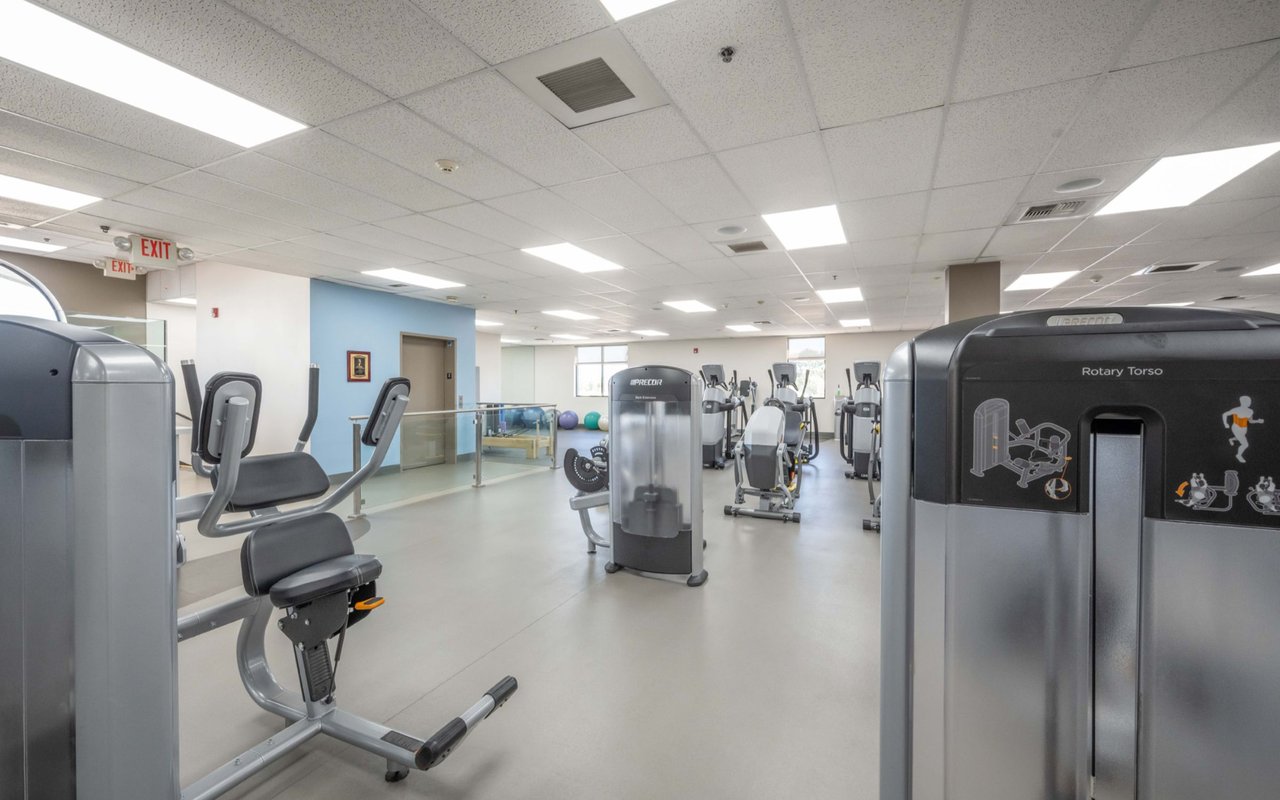
Downsizing into Leisure World Seal Beach is not exactly like buying a traditional house or condo. Leisure World is a gated 55-plus community in Seal Beach that spans 531 acres and includes more than 160 clubs, five clubhouses, an on-site health care center, free bus service, and 24-hour security.
The ownership structure is one of the biggest differences. In Mutuals 1 through 12 and 14 through 16, you are buying shares of stock and the right to occupy the unit, rather than receiving a deed to the property. Mutual 17 is the exception, because it is a condominium association with deeded ownership.
That difference matters when you plan your move. In the stock cooperative Mutuals, purchases are cash only and no mortgage is permitted. In Mutual 17, financing may be available.
Start planning earlier than you think
One of the most common downsizing mistakes is waiting too long to begin sorting and measuring. If you start only after escrow opens, the timeline can feel tight very quickly.
A better approach is to treat your move like a staged project. First, measure the co-op or review the floor plan. Then decide what furniture and belongings actually fit your new space and daily routine.
This matters because Leisure World resales follow a structured process. The official buying and selling handout says to allow a minimum 45-day escrow, with several required steps built into that timeline.
Know the Leisure World timeline
A co-op purchase in Leisure World includes steps that are specific to the community. The seller submits a Notice of Intent to Withdraw, the Mutual President signs it, and the GRF office requests a Pre-Listing Inspection.
The handout says the Mutual President signature step may take about 10 working days. It also says the final inspection happens 10 business days before closing, and buyer orientation must take place at least 10 business days before close of escrow.
That means your packing schedule should follow the co-op calendar, not guesswork. If you build your timeline around these required steps, you can avoid last-minute stress.
Measure first, then sort
Before you decide what to keep, get clear on the size and layout of the co-op. AARP recommends using the floor plan or measurements of the new home before making final decisions about furniture and household items.
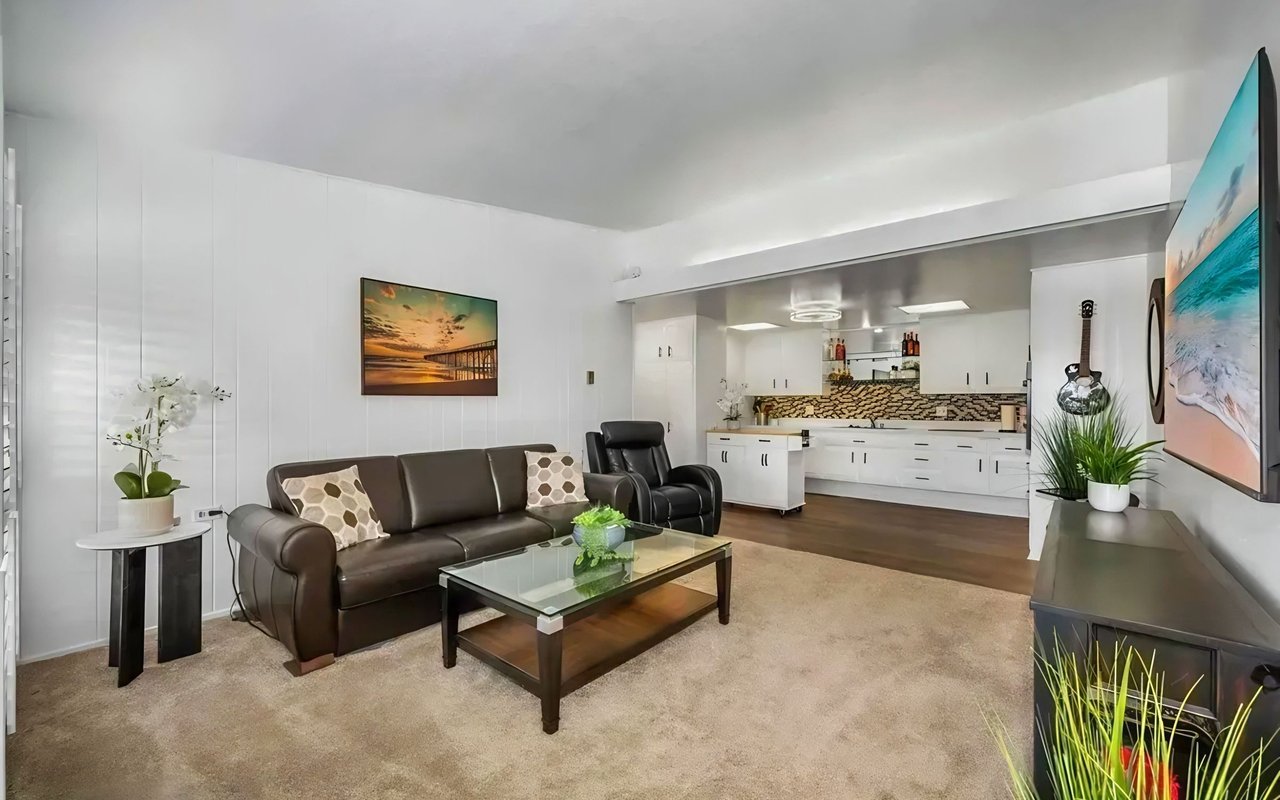
This simple step can save you time, money, and frustration. A sofa that worked well in a larger house may block walking space in a smaller co-op, while a dining set or storage cabinet may simply be more than you need.
In most cases, the best items to bring are the ones that fit comfortably, support your routine, and do not overcrowd the home. Think about ease of movement, storage, and everyday use.
Use a four-pile system
When the house is full of decades of belongings, deciding where to begin can feel exhausting. A room-by-room system makes the process easier and helps you make steady progress.
A practical method is to sort everything into four groups:
- Keep
- Sell
- Donate
- Gift or pass down
AARP recommends starting with easier decisions first and avoiding a large maybe pile that slows everything down. That advice can be especially helpful when you are working through kitchen items, extra furniture, clothing, old files, and sentimental keepsakes.
Ask better questions about your belongings
When you are downsizing, the key question is not just whether an item can be moved. The better question is whether it deserves space in your next home.
AARP suggests asking yourself a few simple questions. Do you need it? Have you used it? Would you pay to move it?
Those questions can bring clarity fast. They also help you focus on what really supports the life you want in a smaller, more efficient home.
Consider professional move help
Many families assume they can manage every part of a downsizing move on their own. In reality, the physical work and emotional strain can be more than expected, especially when adult children live far away or have demanding schedules.
According to NASMM, senior move managers may help with downsizing, organizing, floor plans, packing, unpacking, disposal, mover coordination, estate sales, auctions, buy-outs, consignment, and donations. For some households, that extra help can make the move feel much more manageable.
If you think you may want support, start that conversation early. The right help is often most useful before the final packing rush begins.
Budget for co-op costs carefully
Before making an offer, it helps to understand the cost structure of Leisure World ownership. Monthly carrying charges vary by Mutual, and current posted 2026 figures range from $506.99 in Mutual 14 to $711.77 in Mutual 17.
Buyers should also know that GRF charges a one-time, non-refundable amenities fee. In addition, some Mutuals charge a new-buyer orientation fee that is collected at closing.
Monthly charges are only part of the picture. The GRF buyer information also encourages buyers to compare reserve funding, special assessments, upcoming projects, permit rules, guest policies, insurance, and other Mutual-specific details before making an offer.
Understand the showing rules
Leisure World has resale procedures that are different from a typical neighborhood sale. According to the official handout, no previewing and no open houses are permitted inside Leisure World.
The same handout says a property may be shown only after the Notice of Intent and Pre-Listing Inspection are complete. For buyers and sellers, that means planning matters even more.
Because of these rules, it helps to coordinate the purchase side early instead of treating the move like a standard suburban transaction. A clear process can reduce delays and help everyone stay on schedule.
Do not overlook Proposition 19
If you are age 55 or older and selling a primary residence in California, Proposition 19 may allow you to transfer your Proposition 13 base-year value to a qualified replacement primary residence anywhere in California. This can be an important part of your financial planning.
The California Board of Equalization says the claim is filed with the county assessor and must be filed within three years of purchasing or completing the replacement dwelling. Orange County Assessor provides the same general 55-plus transfer guidance.
Because timing matters, this is a conversation to have early in the process. If Proposition 19 may apply to your move, be sure to coordinate with the county assessor and your escrow team.
A practical downsizing plan
If you want the move to feel smoother, keep the process in order. Trying to do everything at once usually creates stress.
A simple sequence looks like this:
- Measure the co-op or review the floor plan.
- Identify furniture that fits and supports daily living.
- Sort room by room into keep, sell, donate, and gift piles.
- Review Mutual rules and costs before writing an offer.
- Build your packing schedule around the minimum 45-day escrow and required approval steps.
- Line up extra help early if you want support with sorting, packing, or move coordination.
This kind of step-by-step plan gives you more control. It also helps you make thoughtful decisions instead of rushed ones.
Why local co-op expertise matters
A move into Leisure World is not only about square footage. It also involves understanding Mutual differences, carrying charges, cash-only rules for most co-ops, approval timing, inspections, and orientation requirements.
That is why specialized guidance can make such a difference. When you work with a team that focuses on Leisure World resales, you are more likely to get clear answers, realistic timing, and a process that feels organized from the start.
At Gasper Monteer Realty Group, the focus is on making Leisure World moves more straightforward, informed, and dignified. If you are thinking about downsizing from a house to a co-op, or helping a parent plan the transition, you can start with a conversation and a clear plan. Gasper Monteer Realty Group
FAQs
How is a Leisure World co-op different from buying a house?
- In most Leisure World Mutuals, you buy shares of stock and occupancy rights rather than a deeded unit, and Mutuals 1 through 12 and 14 through 16 are cash-only purchases.
How long does a Leisure World co-op purchase usually take?
- The official Leisure World handout says to allow a minimum of 45 days for escrow, with required timing for approvals, inspections, and buyer orientation.
What should I keep when downsizing to a Leisure World co-op?
- Start with items that fit the floor plan, support your daily routine, and do not overcrowd walking paths or storage areas.
What costs should I budget for in Leisure World?
- You should budget for monthly carrying charges that vary by Mutual, a one-time non-refundable GRF amenities fee, and any Mutual-specific new-buyer orientation fee collected at closing.
Can I finance a Leisure World purchase?
- Financing may be available only in Mutual 17, while the stock cooperative Mutuals are cash-only according to the official GRF buying and selling handout.
Can Proposition 19 help with a Leisure World move?
- California homeowners age 55 or older may be able to transfer their Proposition 13 base-year value to a qualified replacement primary residence, with the claim filed through the county assessor within three years.