Trying to choose the right Mutual in Leisure World Seal Beach can feel overwhelming. Each Mutual has its own buildings, rules, and fees, and the details matter for your daily life. If you want a simple way to compare options and avoid surprises, you’re in the right place. In this guide, you’ll learn what to look for, how to gather the right documents, and a step-by-step plan to narrow your shortlist with confidence. Let’s dive in.
How Leisure World is organized
Leisure World Seal Beach is a 55+ community made up of private Mutual corporations and a community-level corporation called the Golden Rain Foundation. Each Mutual manages its buildings and sets rules for its owners. The Foundation operates amenities and communitywide services.
For you, that means two layers of rules and fees apply. Mutual rules can vary in important ways, while Golden Rain Foundation policies apply across the community. Understanding both levels helps you compare apples to apples.
Key features to compare
Building type and elevator access
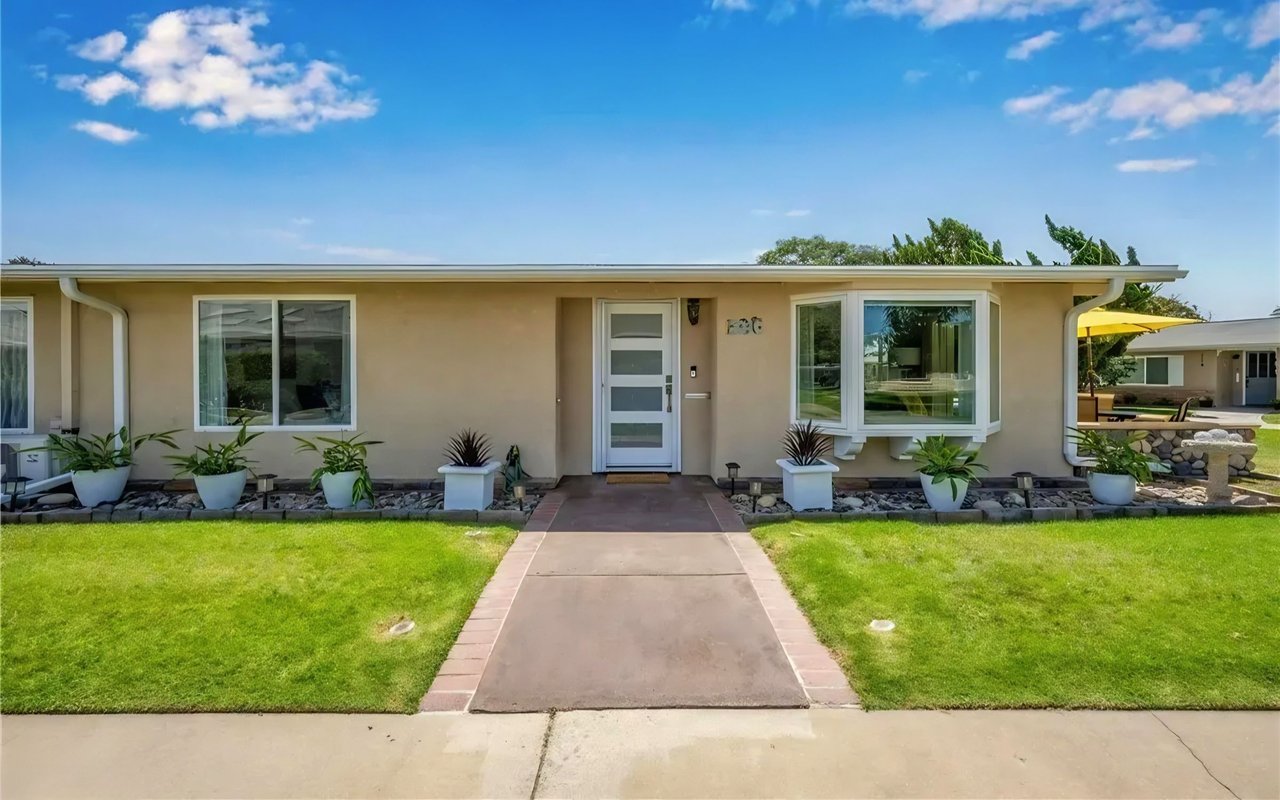
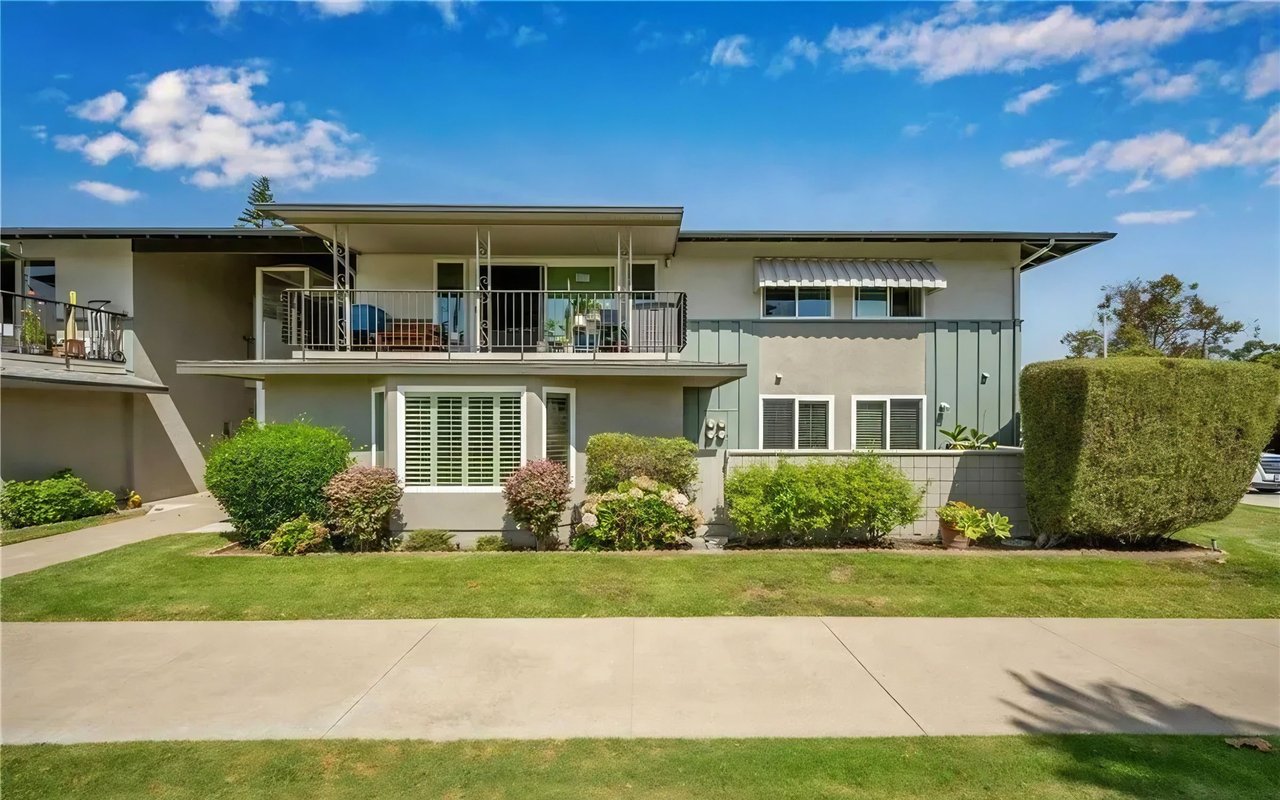
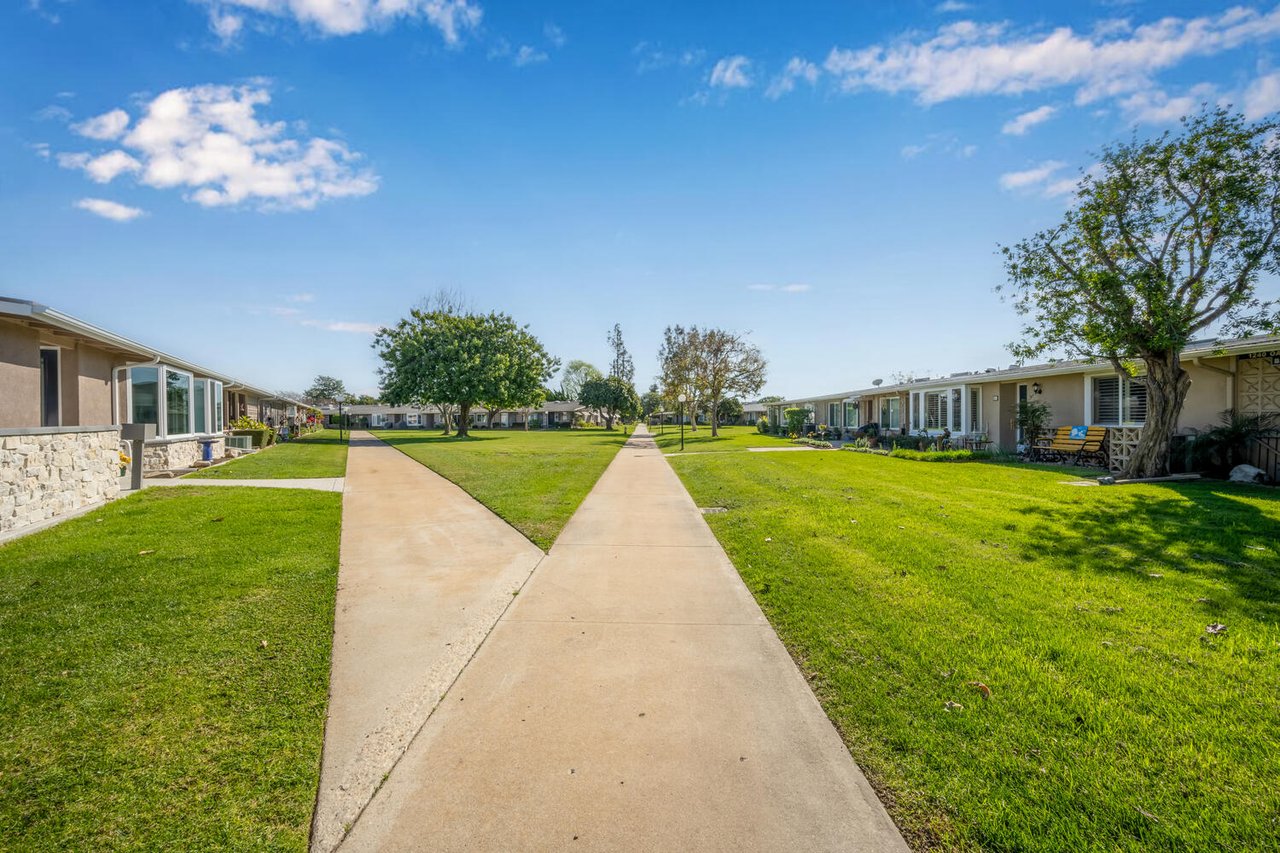
Start with the building itself. Mutuals include several building types, from elevator-served units in Mutual 15 and 17 to single-level garden-style clusters.
What to check:
- Is there an elevator to your floor and parking level?
- Recent modernization or maintenance history and typical downtime.
Parking setup and guest options
Parking affects daily convenience and resale appeal. Some Mutuals offer assigned covered stalls, carports, or tandem spaces. Guest parking rules can vary.
What to check:
- Assigned stall number and location relative to the unit.
- Any extra parking fees or restrictions.
- Guest parking rules and limits, plus any EV charging policy.
Laundry and storage
In-unit laundry is often preferred, while some buildings use common laundry rooms. Storage can be inside the unit or in assigned lockers.
What to check:
- In-unit hookups vs. common laundry room details and hours.
- Storage type and location, including any limits on bicycles or scooters.
- Condition and capacity of machines in common areas.
Outdoor space and layouts
Private patios or balconies can be a major quality-of-life factor.
What to check:
- Patio or balcony size and condition.
- Whether outdoor areas are exclusive use common area under Mutual rules.
- Any restrictions on plants, screens, or flooring.
Age, construction, and maintenance
Older buildings may have more frequent capital projects like roofs or elevator work. Construction type can affect comfort and insurance needs.
What to check:
- Era of construction and recent exterior projects.
- Any known seismic, concrete, or plumbing repairs.
- Planned building rehab on the horizon.
Proximity to amenities and services
Location within the community matters. Short walks can make everyday life easier.
What to check:
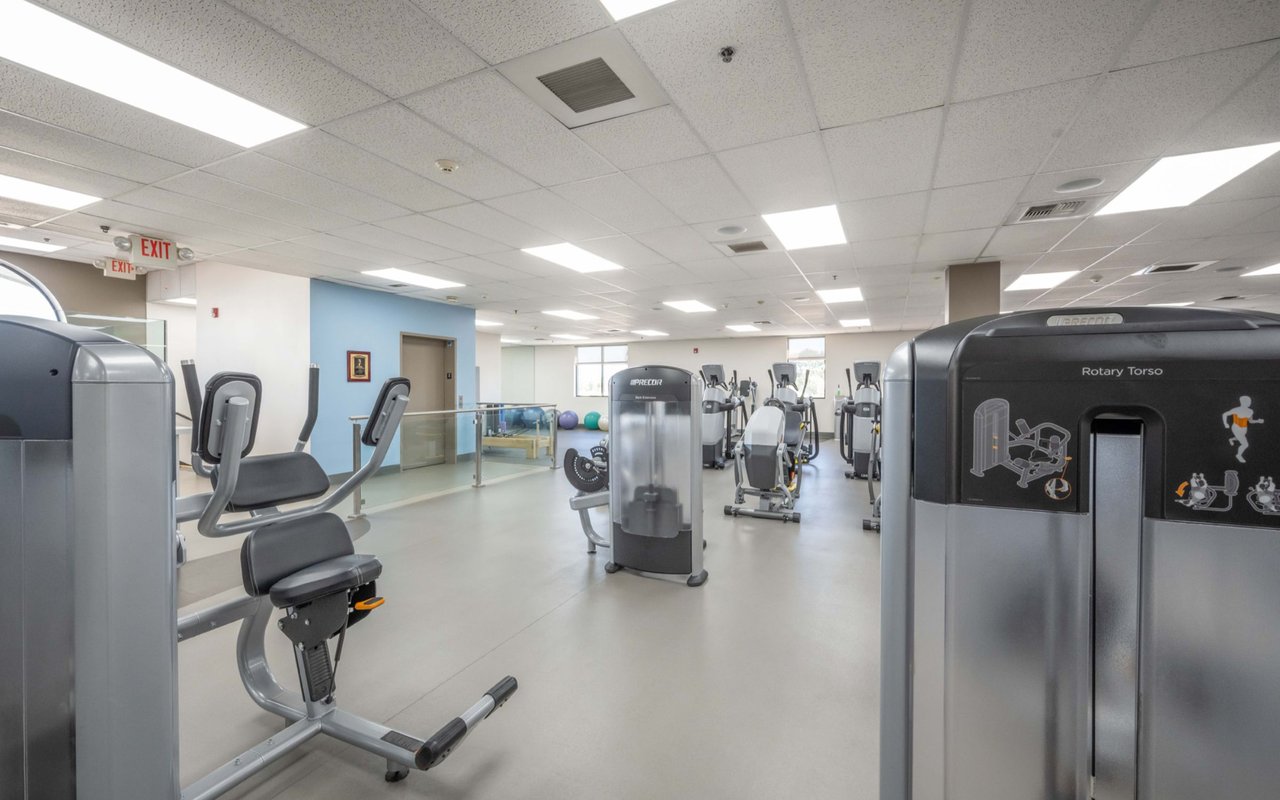
- Distance to clubhouses, pool, golf, and community medical services.
- Shuttle stops and walking paths, if applicable.
- Safety and lighting along your typical routes.
Rules that shape daily life
Monthly assessments and coverage
You will typically pay two fees: a Mutual assessment and a Golden Rain Foundation fee. What is included varies by Mutual.
What to check:
- Total monthly cost and the effective date of any increases.
- Which utilities and services are included, such as water, trash, cable, or pest control.
Special assessments and reserves
Special assessments are used for major repairs or improvements. Healthy reserves reduce the chance of large surprises.
What to check:
- History of special assessments in the past 5 to 10 years.
- Reserve fund balance and funded percentage in the latest reserve study.
- Current or planned assessments and project timelines.
Pet policies
Pet allowances and limits can differ by Mutual.
What to check:
- Number, size, and breed rules.
- Registration steps, leash rules, and waste requirements.
Rental and occupancy rules
If you plan to rent in the future, confirm the policy in writing.
What to check:
- Whether rentals are allowed, minimum lease terms, and any rental caps.
- Approval timelines and background or registration requirements for tenants.
Remodeling and alterations
Even small changes can require approval. Timelines and contractor rules vary.
What to check:
- Application steps, deposits, and required permits.
- Allowed materials and quiet hours for construction.
Move-in and delivery logistics
Some Mutuals require reservations for elevators during moves or large deliveries.
What to check:
- Fees or deposits for move-ins and move-outs.
- Insurance requirements for movers and delivery companies.
Smoking, noise, and nuisance policies
Rules protect comfort and safety but differ by Mutual.
What to check:
- Indoor and outdoor smoking policies, quiet hours, and enforcement.
Storage, antennas, and exterior items
Many exterior items require approval.
What to check:
- Rules for satellite dishes, security cameras, shades, or other exterior modifications.
Safety and services to review
- Security: Gate access, patrols, and how incidents are handled.
- Fire and medical: Alarm systems, sprinklers where present, and ambulance access.
- On-site staffing: Maintenance crew availability and admin office hours.
- Disaster preparedness: Earthquake plans and evacuation procedures.
Documents to request early(If available)
Request Mutual-specific and community documents as soon as you are serious about a unit. These reveal finances, projects, and rules.
Ask for:
- Mutual CC&Rs, Bylaws, and Rules and Regulations.
- Golden Rain Foundation Rules and amenity policies.
- Current operating budget and most recent audited financials.
- Latest reserve study and any engineering reports.
- Meeting minutes from the last 6 to 12 months for the Mutual and Foundation.
- List of active or planned special assessments and project schedules.
- Insurance summary showing what the Mutual and Foundation cover vs. the owner.
- Move-in and move-out rules and any fees.
- Pet and rental policy documents.
- Seller disclosure package and any litigation disclosures.
Key data to extract:
- Total monthly fees and what they include.
- Reserve funded percentage and cash balance.
- Special assessment history and near-term plans.
- Elevator modernization schedule and costs where applicable.
- Parking assignment details and any planned changes.
- Notable modification limits, such as flooring or window rules.
A simple step-by-step plan
Step 1: Define must-haves
List your non-negotiables and nice-to-haves. Include accessibility, laundry, parking, outdoor space, pets, and a maximum total monthly fee.
Step 2: Pre-screen by listings
Check which Mutual each listing belongs to and filter out Mutuals that do not meet your must-haves, such as elevator access.
Step 3: Request the disclosure packet
For shortlisted options, request the Mutual’s rules, budget, reserve study, minutes, and a list of current and planned assessments.
Step 4: Verify on site
During showings, test the elevator, time the walk from parking to the unit, confirm laundry and storage, and note distance to your top amenities.
Step 5: Compare finances and governance
Line up total monthly fees, reserve health, and assessment history. Read minutes for project plans and how the Board communicates.
Step 6: Final checks before offers
Confirm any upcoming assessments, buyer approval timelines, move-in scheduling, and the remodeling approval process if you plan changes.
Financial and risk checkpoints
- Total monthly cost: Combine Mutual fee, Golden Rain Foundation fee, and expected utilities.
- Reserve health: Underfunded reserves can signal future assessments.
- Assessment cadence: Note how often and how much assessments have been.
- Insurance scope: Know what the Mutual insures vs. what you must insure.
- Litigation: Check for pending cases that may affect costs or timelines.
- Approval timeline: Some Mutuals have processes that can impact your closing.
Your printable comparison checklist
Use this same set of fields for each Mutual or unit on your shortlist:
- Mutual number
- Building type and elevator details
- Parking: assigned, covered, tandem, and distance to unit
- Laundry: in-unit or common; details and hours
- Accessibility: step-free entry or elevator to unit level
- Outdoor space: balcony or patio and condition
- Storage: locker, garage, or none
- Monthly fees: Mutual, Foundation, and total
- What’s included: water, trash, cable, gas, electricity
- Reserves: funded percentage and balance, if available
- Special assessments: recent and planned
- Pet policy: allowances and limits
- Rental policy: allowed, caps, and minimum lease
- Move-in rules: elevator reservation and fees
- Buyer approval timeline: typical steps and duration
- Walkability: distance to clubhouse, medical, dining, or shuttle
- Documents reviewed: budget, minutes, CC&Rs, reserve study
Scoring your shortlist
Give each category a score from 1 to 5, then weight what matters most to you. A common approach is:
- Accessibility: 30%
- Monthly cost: 25%
- Parking: 20%
- Laundry: 15%
- Proximity to amenities: 10%
Multiply and total your scores to see which options fit best. This keeps the decision objective and aligned with your priorities.
Ready for local, expert help?
If you want a calm, organized process with clear answers on Mutual rules, finances, and approvals, our team can help. We specialize in Leisure World co-op resales and coordinate the details from contract through closing to make your move simpler. Reach out to the local specialists at Gasper Monteer Realty Group to get your custom checklist and next steps.
FAQs
What is a Mutual in Leisure World Seal Beach?
- A Mutual is a private corporation that owns and manages specific buildings and common areas, sets owner rules, and charges monthly assessments within Leisure World.
How are Mutual rules different from community rules?
- Mutual rules apply to your building and ownership, while Golden Rain Foundation rules apply to communitywide amenities and services used by all residents.
What documents should I review before buying in a Mutual?
- Request the Mutual’s CC&Rs, Bylaws, Rules, current budget, audited financials, reserve study, recent minutes, insurance summary, and any assessment or litigation disclosures.
How can I estimate my true monthly cost across Mutuals?
- Add the Mutual assessment, Golden Rain Foundation fee, and any utilities you pay yourself, then compare totals and note what each fee includes.
How do I check for upcoming special assessments?
- Review recent Board minutes and the reserve study, then ask the Mutual manager about planned projects, funding sources, and timelines.
What should I verify on a showing if I need easy access?
- Confirm elevator service to your floor, test the elevator, time the walk from your assigned parking stall, and check for steps or thresholds at entries.