Origins & Vision
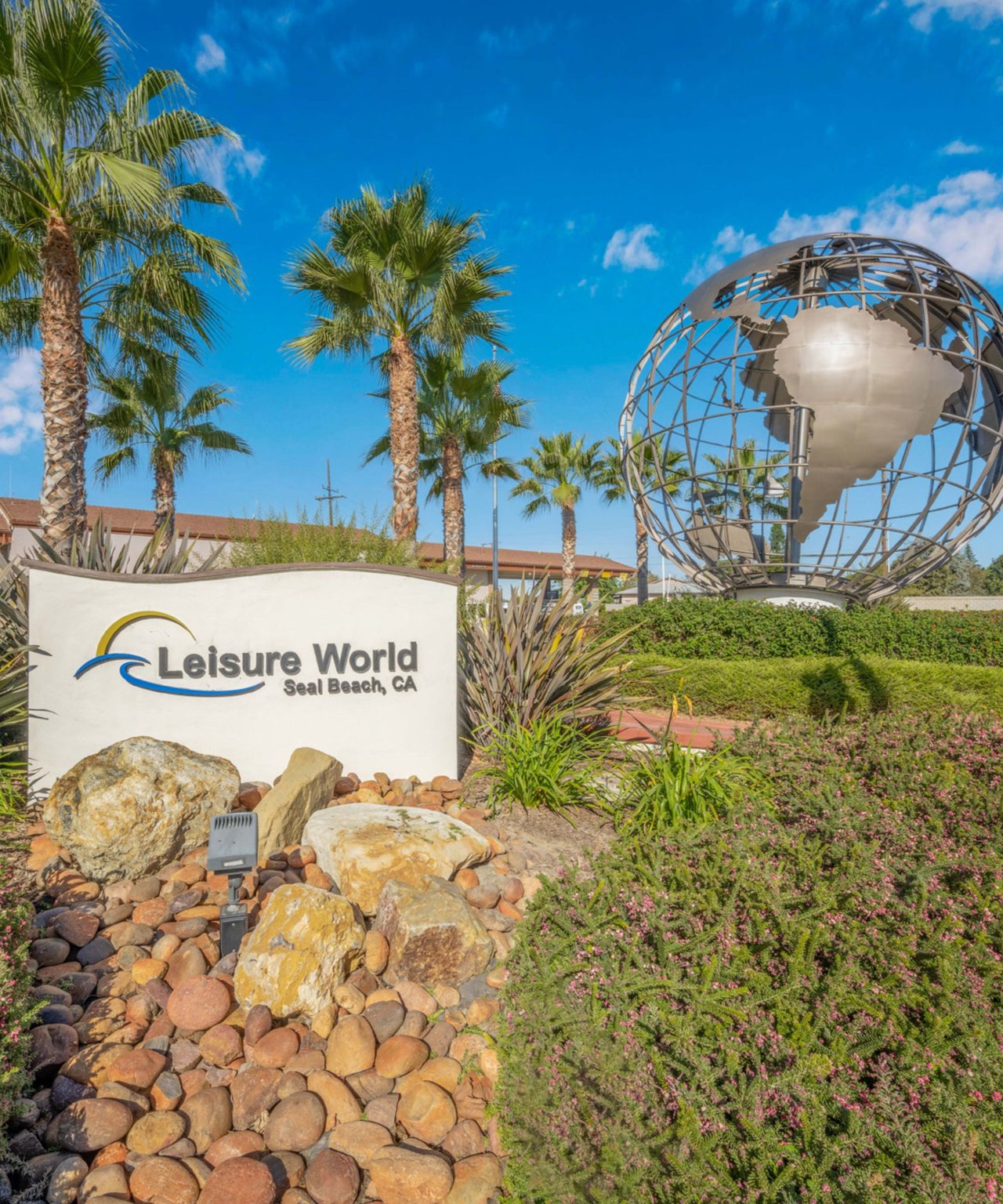
The story of Leisure World begins with Ross W. Cortese, a developer who, in the late 1950s and early 1960s, saw a new kind of housing opportunity: a planned community for older adults, with amenities and design features tailored to their needs.
In 1961, Cortese purchased around 541 acres of land in Seal Beach for this project, paying something like $10.8 million (about $20,000 per acre) for undeveloped land of the old Rancho Los Alamitos.
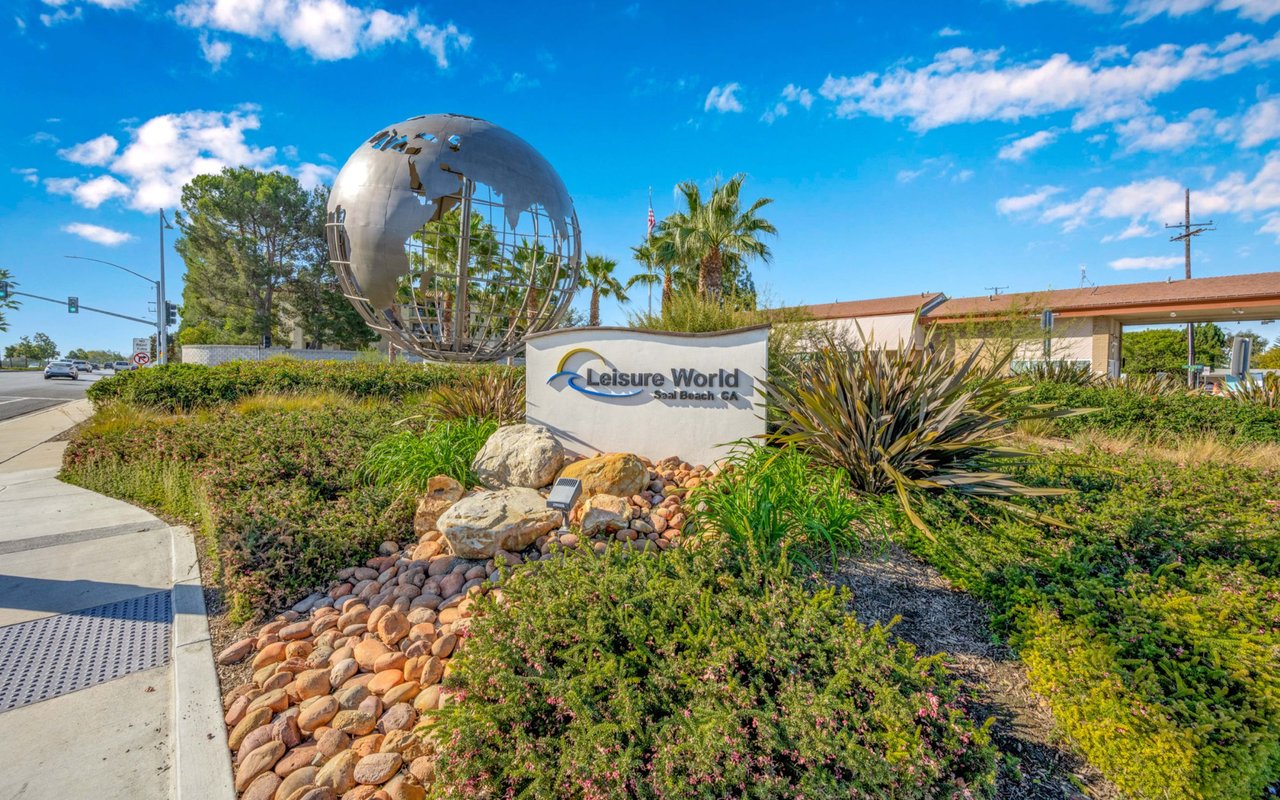
The name “Leisure World” captured the idea: a self-contained, resort-style community where residents could live actively, comfortably, and with many services built in. The early marketing was bold: by 1962–63 the community was being called “the most revolutionary new concept in housing since World War II.”
Early Development & Features
Construction of Leisure World began in mid-1961. The first residents moved in on June 8, 1962.
From the very start, the community included features that were innovative for their time:
-
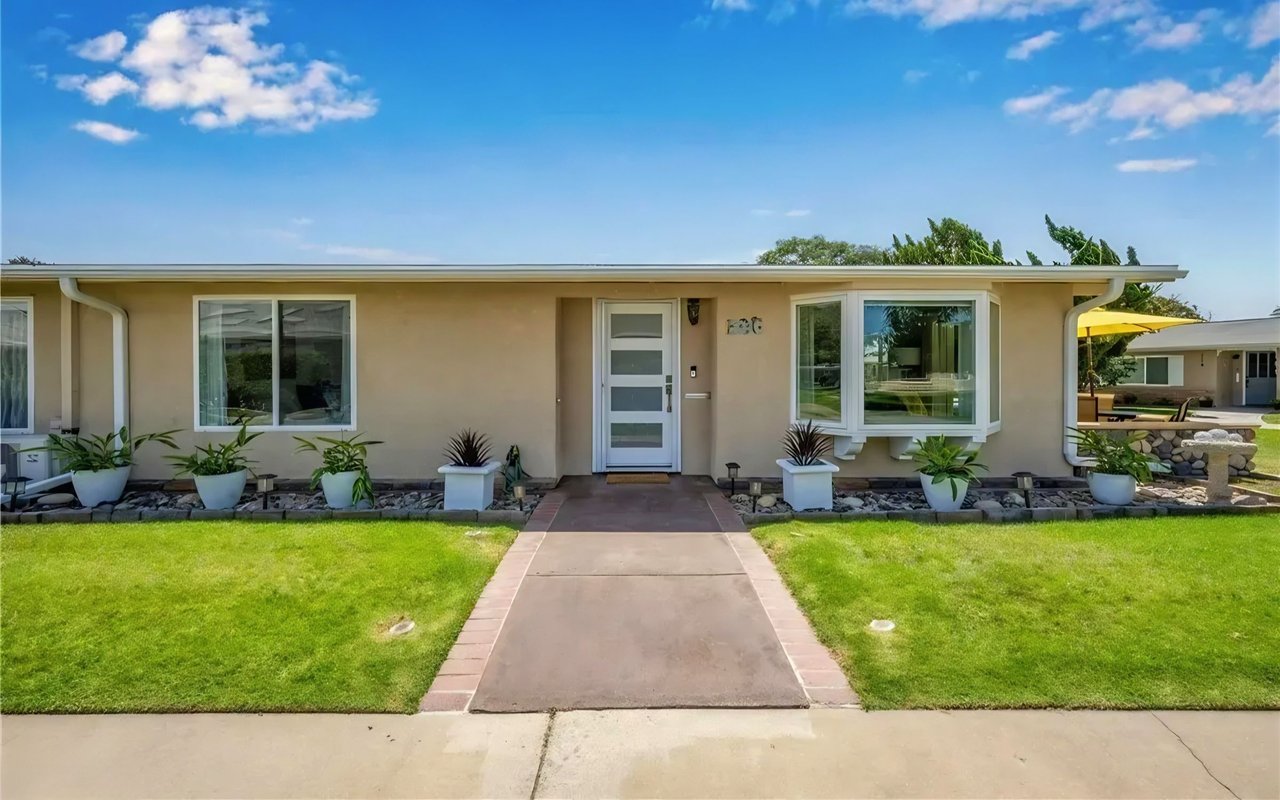
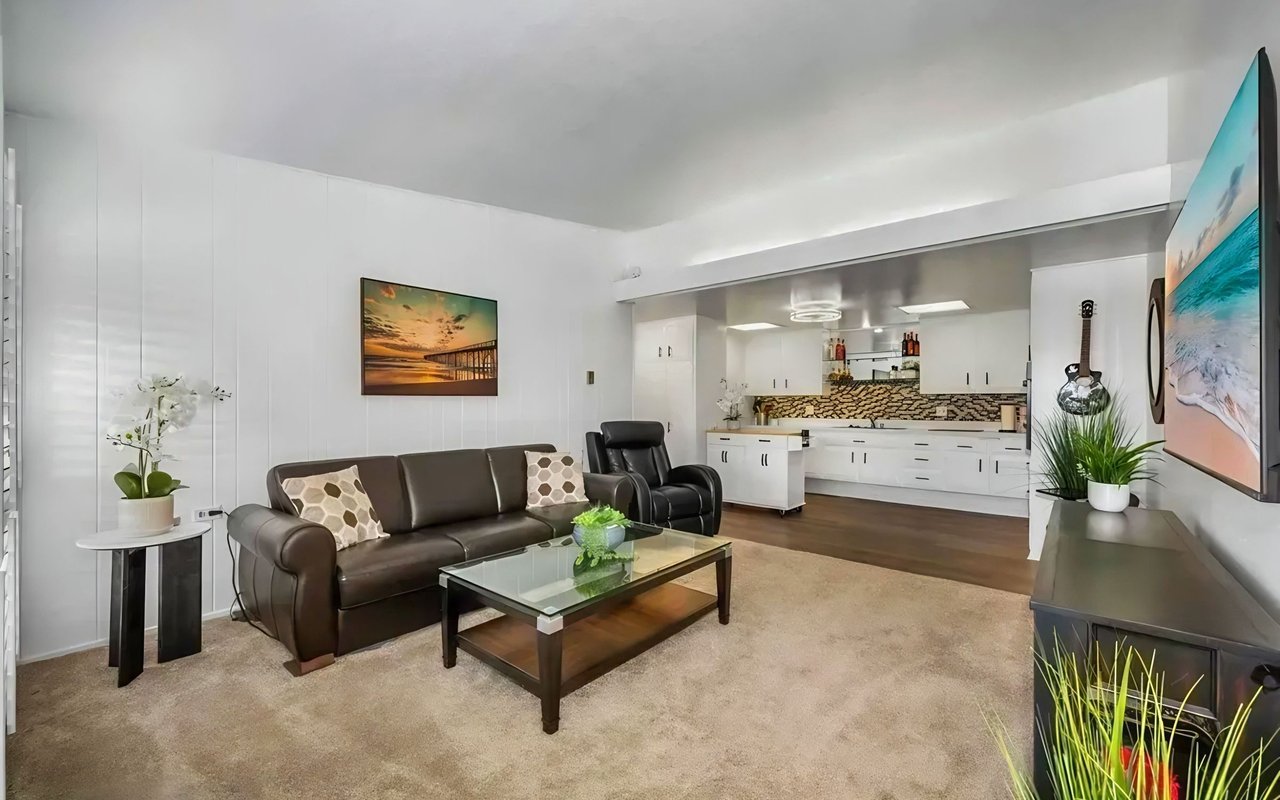
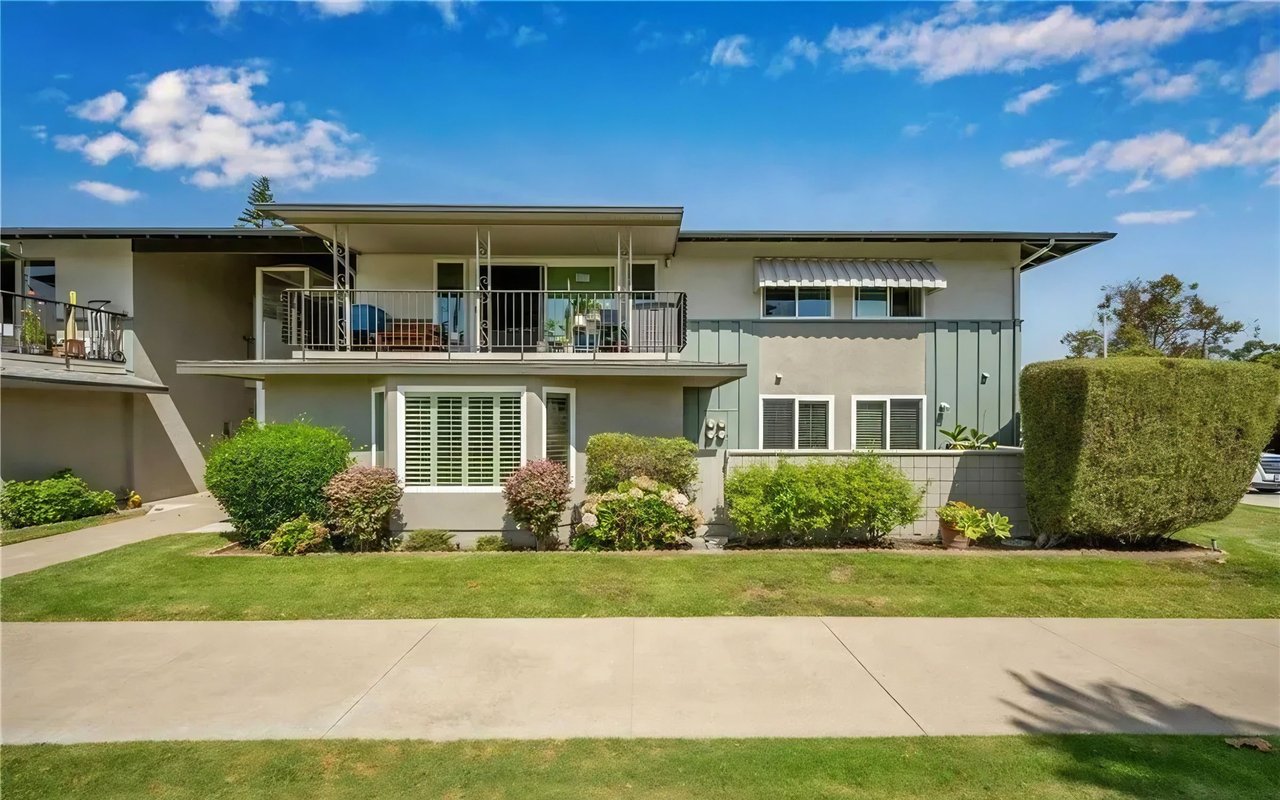
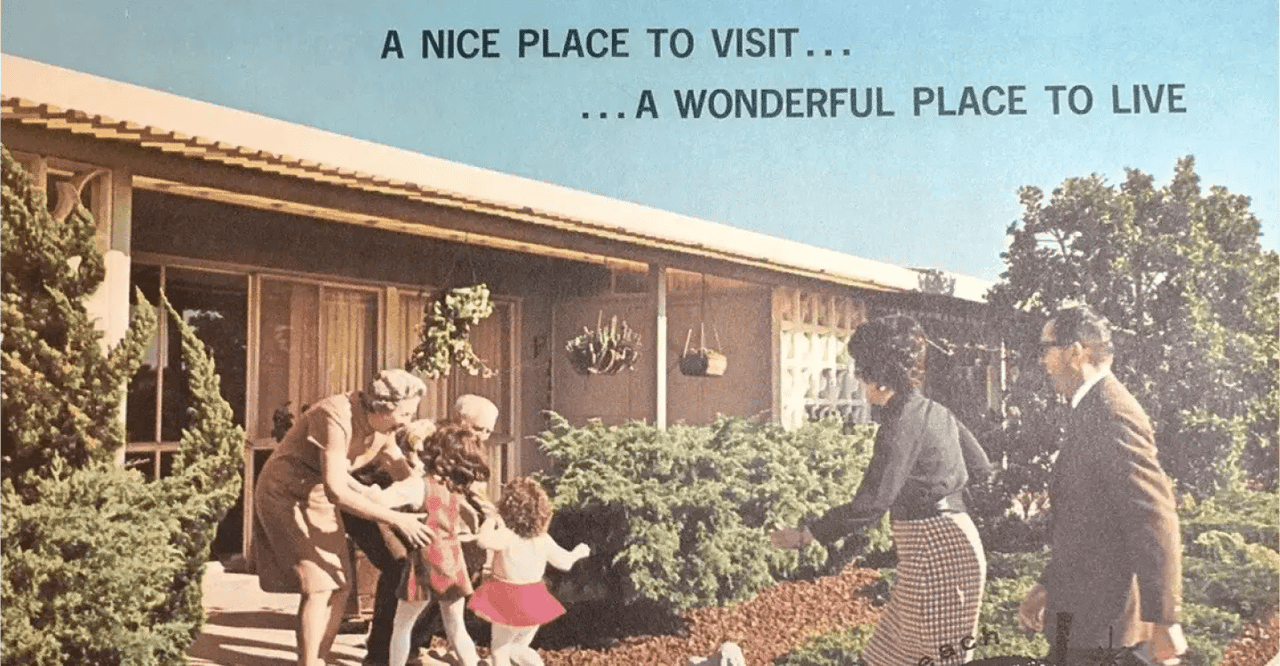
Single-story “garden style” units, many designed with wide hallways, patios, and easy access—thinking ahead about aging in place.
-
A nine-hole golf course, clubhouses, arts & crafts studios, community gardens, swimming and therapy pools—all opened within the first year.
-
An on-site medical center: the idea being to offer health services within the community. The original plan included doctors, free prescriptions, etc.
-
Gated/guarded-community setup, and strong emphasis on amenities and maintenance: a lifestyle that promised “less to worry about.”
Growth & Impact on Seal Beach
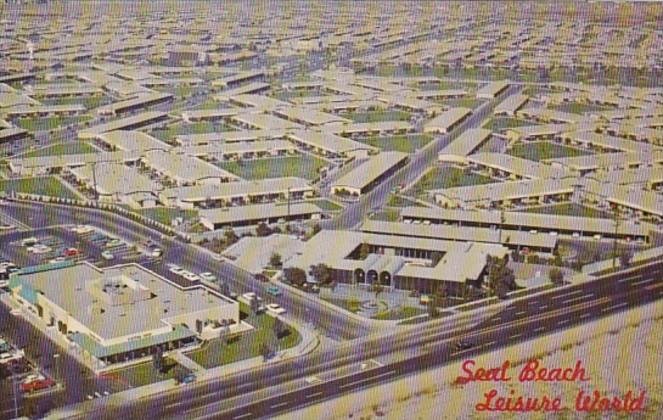
Leisure World’s arrival had a big impact on the city of Seal Beach. When completed, the community had something like 6,400 units sold by 1964. At one point those units and residents made up nearly 60% of Seal Beach’s population.
Because of its size and scope, the community changed the character of the city—both in terms of demographics and land use.
Organizationally, the community model was unique. Each “Mutual” (neighborhood corporation) and the community-wide non-profit (the Golden Rain Foundation) helped maintain common areas, amenities and services.
Milestones & Later Developments
Some key milestones:
-
1962: First move-ins.
-
By December 1964: All 6,476 original units sold.
-
1965-70s: The development continued to expand and mature; new clubhouses, additional amenities, etc. The community matured into a fully functioning “active adult” neighborhood.
-
1992: Ross Cortese passed away (October 1992) — marking the end of the founding era.
-
The community’s historical society was founded in 1993 to preserve its archives, stories, artifacts.
Also, while the original on-site health plan (doctors, meds included in community fees) was phased out after Medicare’s implementation in 1966, the community still maintains medical facilities and services today.
Why It Matters & Legacy
Leisure World wasn’t just a housing project—it was a prototype for retirement communities, especially in the U.S. A few reasons why it has historical significance:
-
It was one of the first large-scale planned communities for older adults in America.
-
Its marketing was national in scope; as early as 1963 residents were coming from many states and even countries.
-
Its design embraced the needs of older adults—think fewer stairs, more ramps, patios, single-story living.
-
It helped redefine 55+ living from “just a place” into a lifestyle: clubhouses, recreation, greenbelts, amenities.
-
Its structure—co-ops, “mutuals,” the Golden Rain Foundation—became a model for how such communities could self-govern and maintain shared amenities.
Today & Reflection
Today, Leisure World continues in Seal Beach as a vibrant senior community. Its residents enjoy the amenities, green spaces, proximity to the coast, and a strong sense of community built on decades of tradition.
From a historical perspective, the journey of Leisure World is a testament to how housing innovation + demographic trends (aging population, desire for active living) + real-estate vision can come together to create something that lasts.
Final Thoughts
If you’re walking through Leisure World you’re walking through history—someone had a bold idea, built it, lived it, and now it continues. The community reflects changes in demographics, housing models, aging in place, and active living. It’s more than houses—it’s a way of life.