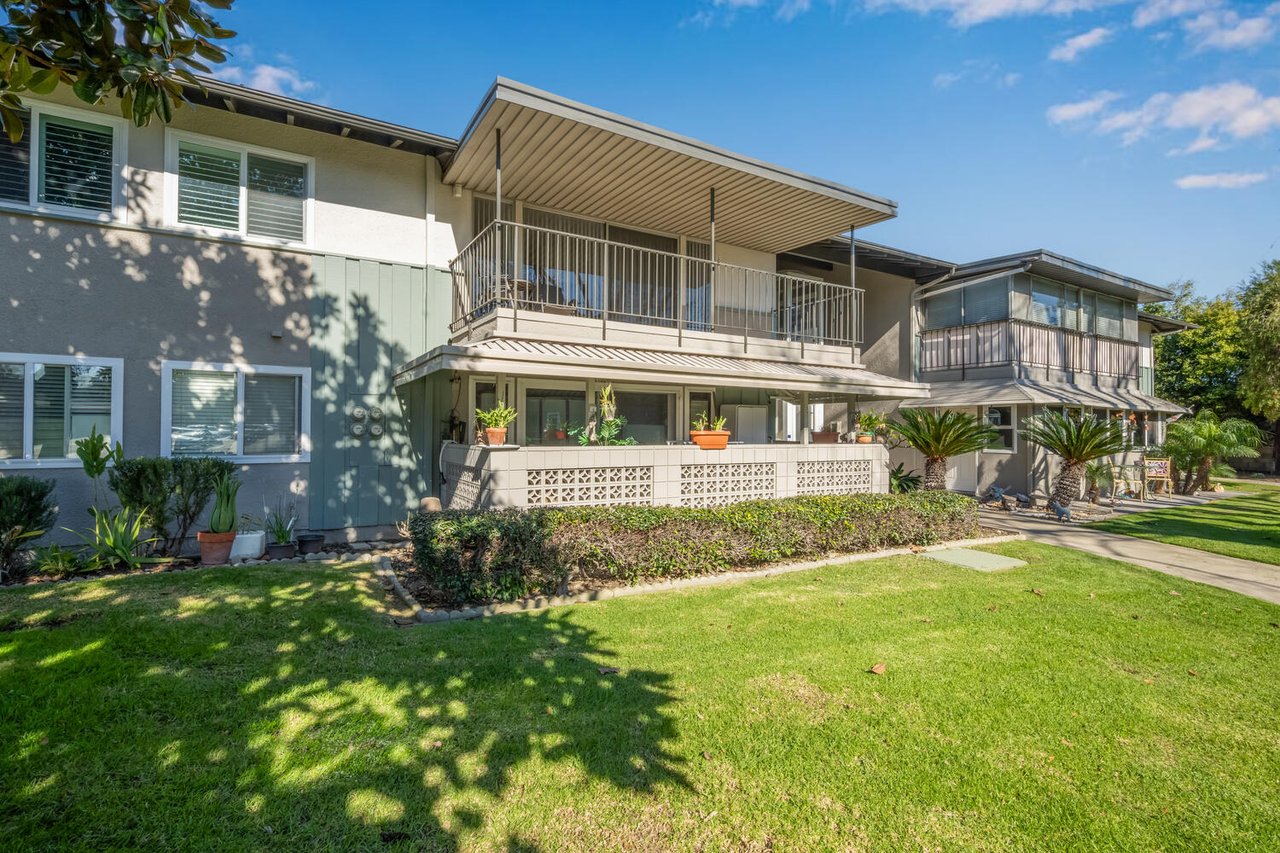
Selling your Leisure World home takes more than a quick tidy. Because units are stock cooperatives, you prepare the home and the paperwork at the same time. If you or your parent is planning a sale, a clear plan lowers stress and speeds up closing. In this guide, you’ll get a step-by-step timeline, checklists, and tips tailored to Leisure World Seal Beach and its Mutual and Golden Rain Foundation procedures. Let’s dive in.
Know your co-op and approvals
Leisure World units are owned through Mutual corporations. You are transferring shares and a proprietary lease rather than fee simple title. The Golden Rain Foundation (GRF) and each Mutual set the rules for resales, alterations, common areas, and moves.
Leisure World also operates under federal Housing for Older Persons Act rules. Communities must verify age occupancy, and buyers must meet eligibility standards. Expect an application, background and credit checks, a buyer interview, and board approval in addition to escrow steps.
Plan for board review to take several weeks. Many sellers see 2-6 weeks after a complete buyer packet is submitted. Some Mutuals meet monthly. If you miss a deadline, you may add a month to your timeline. Build Mutual approval time into your listing and escrow plans.
Step-by-step prep timeline
A little early work pays off on photos, showings, and closing. Use the timeline below and adjust to your Mutual’s calendar.
8-12 weeks before listing
- Gather key ownership documents. Pull the proprietary lease, stock or share certificate, maintenance fee statements, alteration permits, and appliance manuals.
- Confirm resale requirements. Contact your Mutual or GRF office for the current resale packet checklist and board meeting dates.
- Start decluttering room by room. Box, donate, or sell items you will not move. Label boxes by room for an easier exit.
- Do a simple repair scan. Tighten hardware, fix leaks, replace bulbs, and note doors or windows that stick. Consider a handyman for small jobs.
4-8 weeks before listing
- Finish minor fixes and touch-up paint in high-traffic areas. Service HVAC and change filters.
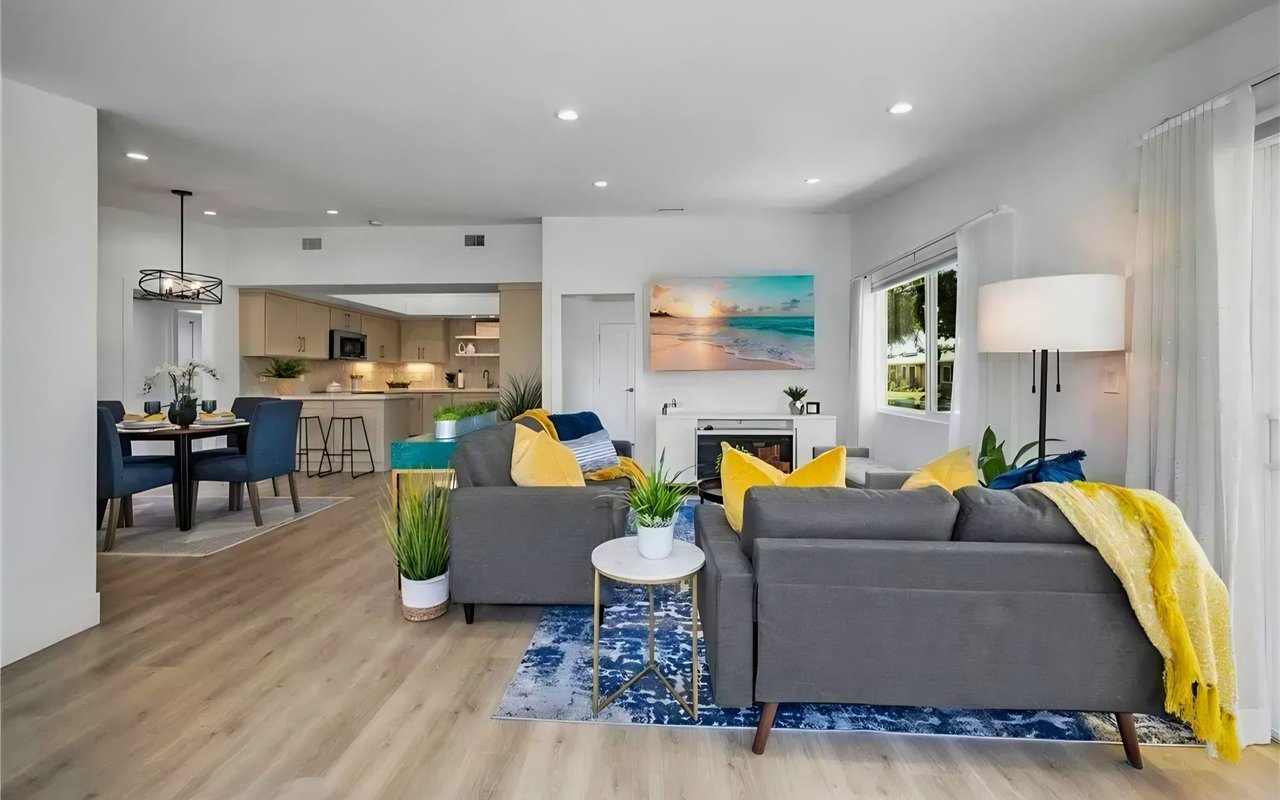
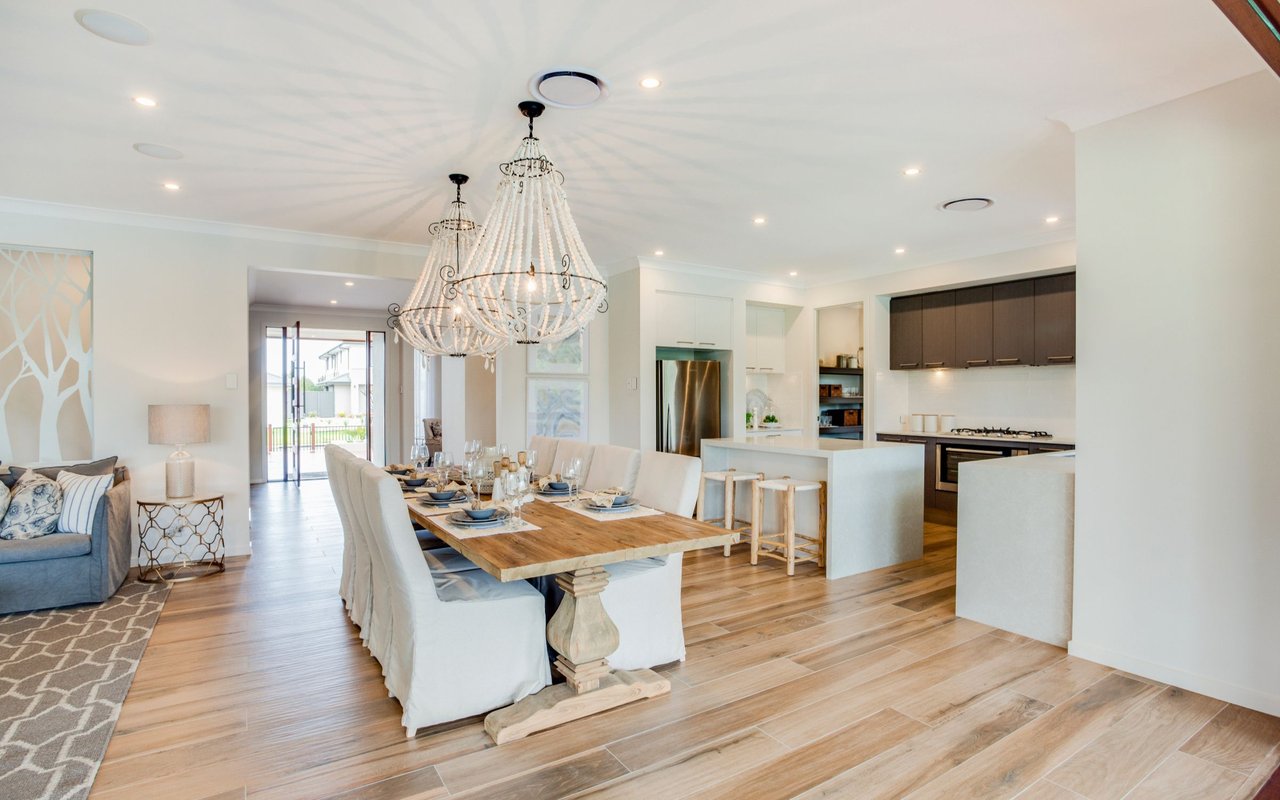
- Stage the main rooms for clear pathways and light. Keep a few personal touches, but reduce visual clutter.
- Verify approvals for any permanent features you plan to market. If you added grab bars or built-ins, confirm they were permitted under Mutual rules.
- Schedule professional photos once staging and cleaning are complete.
2-6 weeks before listing
- Assemble your resale packet and disclosures so they are ready for buyers. Keep digital copies for quick sharing.
- Pre-notify Mutual or GRF of an expected transfer so escrow coordination is smoother.
- Align your listing and offer timing with the next Mutual meeting dates. Ask about expedited reviews if timing is tight.
At contract and escrow opening
- Provide California seller disclosures and the Mutual resale documents promptly.
- Support the buyer’s Mutual application. Track signatures, background checks, and interview scheduling.
- Monitor approval progress and resolve any outstanding items like unpaid assessments or violations.
2-6 weeks into escrow
- Confirm the Mutual approval letter is issued before the planned close.
- Schedule your move-out window with the Mutual, and reserve elevators if required.
- Prepare keys, gate remotes, parking passes, and a simple handoff checklist for closing day.
Physical prep that pays off
Small updates and safe, comfortable spaces help buyers focus on the unit’s strengths.
Declutter and stage for space
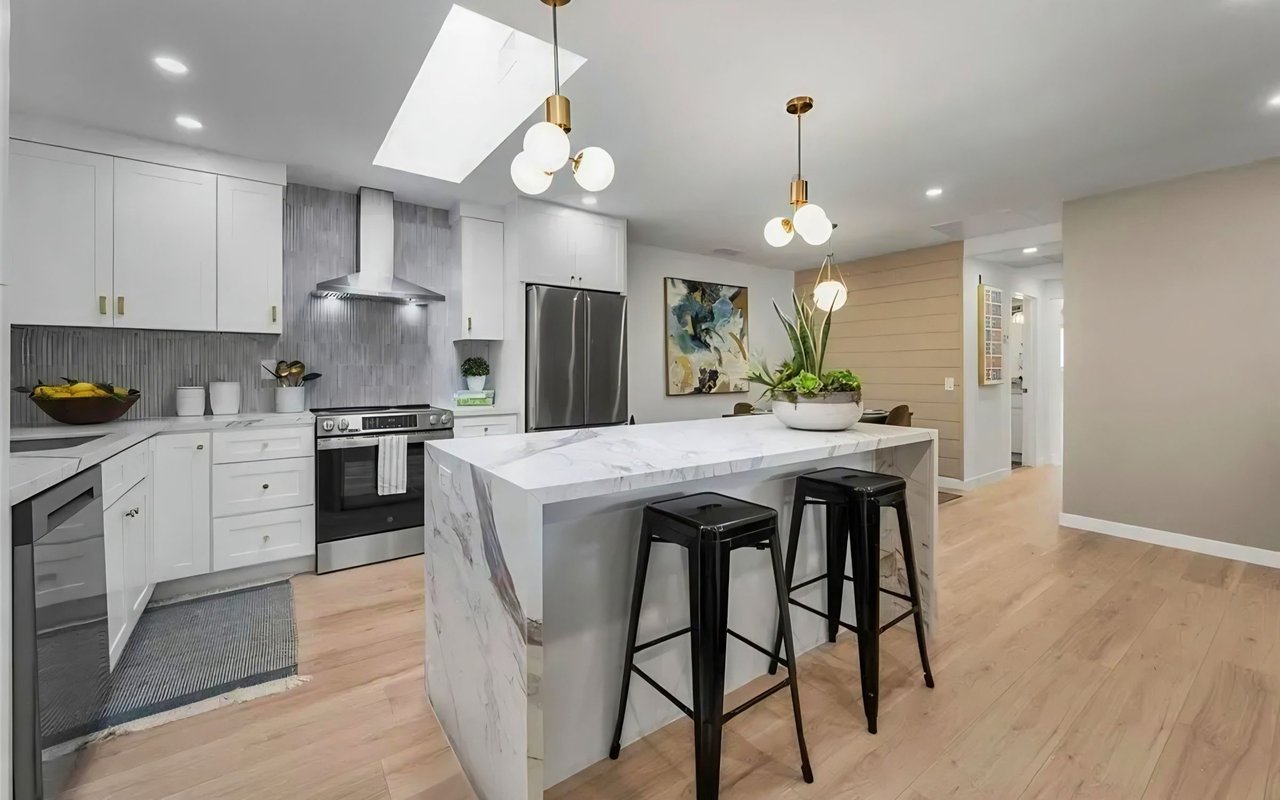
Make rooms feel larger and easy to navigate. Remove extra chairs, side tables, and bulky decor. Clear kitchen and bath counters. Reduce personal photos, but keep a few warm touches. Highlight storage by partially emptying closets and pantry shelves.
Safety and access first
Clear pathways for walkers and wheelchairs. Secure loose rugs and thresholds. Check door and hallway clearance. If steps are present at entry, consider a temporary ramp solution during showings.
Repairs and maintenance
Low-cost fixes can raise buyer confidence. Tighten cabinet pulls, fix drips, replace cracked switch plates, and repair sticky doors. Freshen paint where needed. Service appliances if they show wear and place manuals and recent service invoices in a folder for buyers to review.
Accessibility features
Many Leisure World buyers value accessibility. Decide whether grab bars, non-slip flooring, or railings will be marketed as benefits. Confirm which items are permanent, whether they must remain, and that any required Mutual permits exist.
Deep cleaning and odor control
Do a full clean, including windows, tracks, vents, and patios or balconies. Ventilate well. Address smoke or pet odors with safe methods and avoid strong masking scents before photos and showings.
Photo readiness and marketing
Photos need to tell a clear story of light, space, and ease of living.
What to capture
- Bright rooms shot in daylight with blinds open and lights on.
- The building exterior and entry, plus storage or pantry space.
- Any permitted accessibility features you choose to highlight.
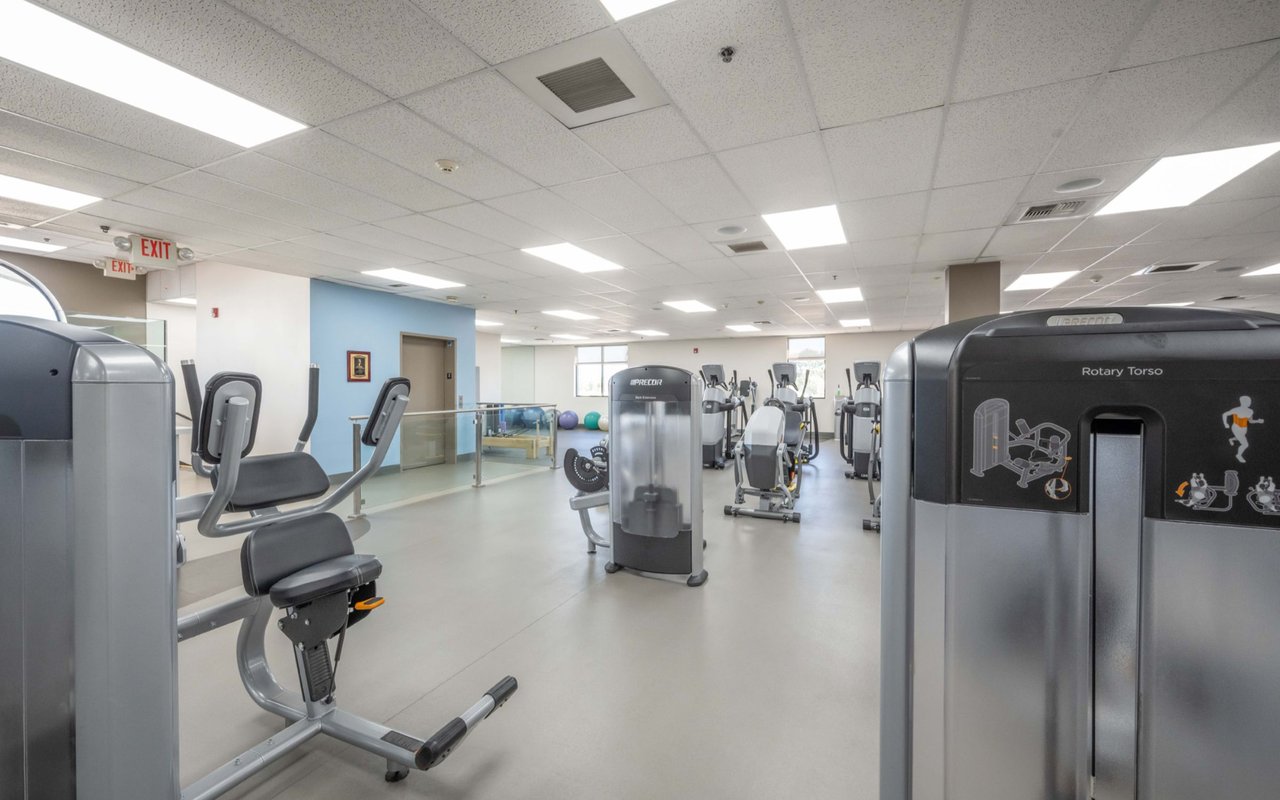
- Community amenities or common areas only if your Mutual allows photography. Ask permission before photographing clubhouses, pools, or shared spaces.
Staging style for 55+ buyers
Keep it comfortable and timeless rather than ultra-modern. Emphasize easy circulation, single-level living, and low maintenance. Remove tripping hazards and cords.
Virtual tools for out-of-area family
Floorplans and virtual walkthroughs help adult children who are coordinating from a distance. Verify if your Mutual or GRF requires permission for filming common areas before you record.
Documents and disclosures to gather
California disclosures apply to co-ops, and buyers and lenders need specific corporate documents. Organize these early.
- Proprietary lease and stock or share certificate.
- Current maintenance and assessment statements with proof of payment.
- Any alteration permits and receipts for repairs or upgrades.
- Appliance manuals, warranties, and recent service invoices.
- Recent Mutual or GRF rules, 6-12 months of meeting minutes if available, and financial summaries or budgets.
- California seller disclosures: Transfer Disclosure Statement, Natural Hazard Disclosure, and Lead-Based Paint Disclosure for pre-1978 structures.
- Keys, gate remotes, FOBs, and community parking passes.
- Contact information for the Mutual or GRF manager, escrow officer, and listing agent.
Keep digital scans ready to share with escrow and the buyer’s lender. Lenders may also request an estoppel letter and proof of Mutual approval before closing.
Mutual approval steps and timing
Most resales follow a similar path:
- Buyer completes the Mutual or GRF application, including background and credit checks.
- An interview is scheduled with the Mutual board or screening committee.
- The board votes to approve the transfer. Some approvals include conditions that must be resolved before closing.
- Mutual or GRF issues an approval letter that escrow needs to close.
Approval typically takes 2-6 weeks after a complete submission. To avoid delays, keep packets complete, respond quickly to requests, and track board meeting dates.
Move-out logistics and community procedures
Plan your move with community rules in mind.
Move windows and reservations
Mutual and GRF rules set moving hours, elevator reservations, and loading zones. Book your preferred window early. Ask whether your moving company needs to provide a certificate of insurance naming the Mutual or GRF as additional insured.
Protect common areas
Most movers must use floor protection and follow building entry paths. Confirm where trucks can park and how long they can stay.
Senior-friendly move plan
Pack in stages and label clearly. Keep a small essentials kit with medications, chargers, paperwork, and a few days of clothing. Arrange donation or bulk pickup for large items and confirm the deadline for clearing the unit before closing.
Support for older sellers and adult children
Clear roles and documents make coordination easier.
- If an adult child will sign or manage tasks, confirm whether the Mutual and escrow will accept a power of attorney. Prepare a notarized POA that meets all requirements before you list.
- Set showing windows that work for the seller’s routine. Provide instructions for access and consider having a trusted family member present during showings.
- If the seller has mobility needs, create an access checklist for agents and buyers so paths and key rooms remain open.
Avoid common delays
A few proactive steps can keep your sale on schedule.
- Check the Mutual calendar early so you do not miss submission deadlines.
- Resolve unpaid assessments or outstanding violations before listing.
- Gather alteration permits and approvals to avoid last-minute questions.
- Prepare complete resale and disclosure packets so buyers and lenders have what they need upfront.
Ready to sell with less stress
Selling in Leisure World follows a clear path when you prepare the home, organize documents, and plan around board approvals. If you want a smoother process with a team that lives and works in Leisure World, partner with a specialist who coordinates listing, disclosures, Mutual approvals, and escrow in one streamlined flow. Request your complimentary Leisure World home valuation and start your plan today with Gasper Monteer Realty Group.
FAQs
How long does Mutual approval take for a Leisure World sale?
- Plan for 2-6 weeks after a complete buyer application, and align escrow contingencies with board meeting dates.
Who pays transfer and processing fees in Leisure World Seal Beach?
- Fee responsibility varies by Mutual and is often split or assigned in the purchase agreement, so confirm current practice and negotiate terms in writing.
Do California seller disclosures apply to a Leisure World co-op?
- Yes, standard disclosures such as the Transfer Disclosure Statement, Natural Hazard Disclosure, and Lead-Based Paint form still apply to co-ops.
Can I market accessibility upgrades when selling my co-op?
- Yes, if upgrades are legal and permitted; disclose whether items are permanent or removable and provide Mutual approvals if required.
What issues most often delay closing in Leisure World?
- Common delays include incomplete resale packets, late Mutual approvals, unpaid assessments or violations, and lender waits for corporate documents or estoppel letters.