Pricing in Leisure World is not one-size-fits-all. If you list too high, your unit can sit while buyers chase better-priced options. If you list too low, you leave money on the table. You want a clear plan that reflects your Mutual, your ownership type, and what buyers can actually finance.
In this guide, you’ll learn how co-op versus condo ownership affects value, which comps matter most, and which prep steps move the needle for 55+ buyers. You’ll also get a simple checklist of what to gather for an accurate price opinion. Let’s dive in.
Why ownership type shapes price
Leisure World has both cooperative-style Mutuals and some condominium-style buildings. The structure you own drives buyer demand and financing options, which impacts price.
- Co-ops: Buyers purchase shares and receive an occupancy agreement or proprietary lease. Board approvals, resale rules, and lender limits can reduce the buyer pool and increase days on market.
- Condos: Fee-simple title is more familiar to outside buyers and is often easier to finance, which can support stronger marketability and, at times, a pricing premium.
Because each Mutual is its own corporation with its own rules, fees, and reserves strategy, values vary even inside the community. Pricing should reflect recent sales within your same Mutual when possible.
What drives list price in Leisure World
Use the right comps
Closed sales from the last 3 to 12 months are your baseline. Prioritize the same ownership type, same Mutual, the same or near-identical floor plan, and similar condition. Active and pending listings show current competition, but treat them as directional rather than definitive.
Mutual, building, and location
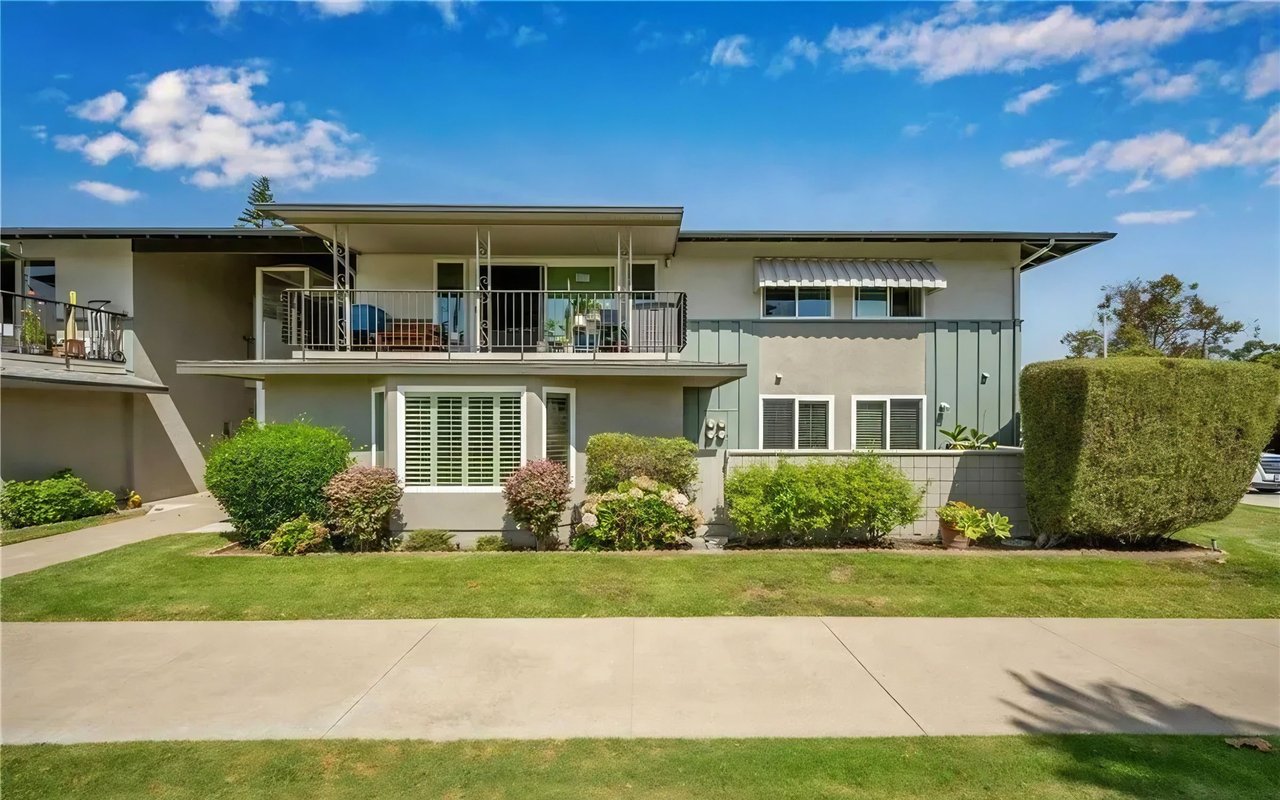
Mutual-level differences matter. Age of the buildings, exterior condition, and roofing or envelope status all show up in pricing. Unit position also counts. Higher floors, corner or end locations, quiet orientations, and premium views can justify stronger pricing. Proximity to clubhouses, pools, shuttle stops, and parking, plus the quality of the assigned parking and storage, also influence buyer preferences.
Condition and updates
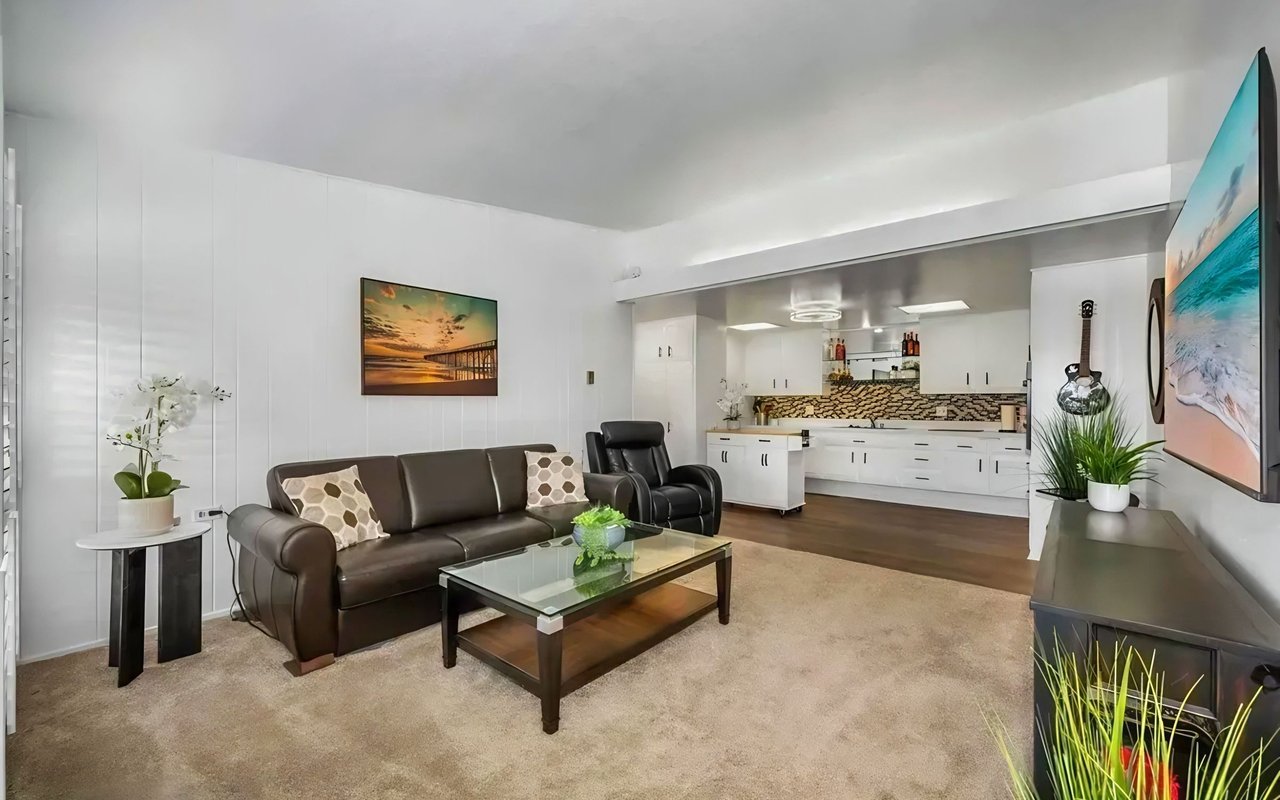
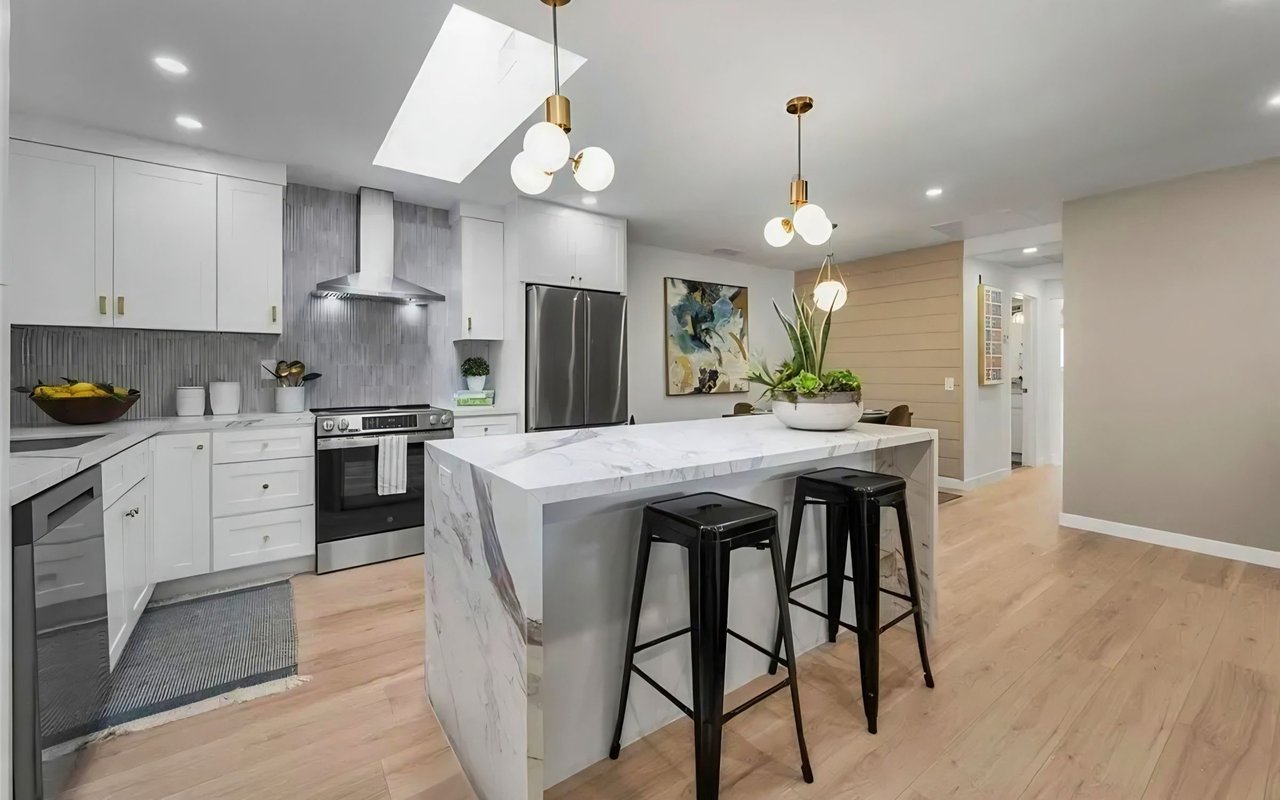
Condition is a major variable. Kitchens and bathrooms carry the most weight. Buyers in 55+ communities often prefer move-in ready. If your unit is original or dated, apply realistic adjustments relative to remodeled comps. Compare true plan and layout, not just square footage.
Monthly fees and assessments
Monthly maintenance or co-op fees, plus any upcoming special assessments, affect buyer affordability. Well-funded reserves and clear plans for capital projects support stronger values. If buyers expect near-term assessments, they will net those costs into their offers. Transparency early on helps you avoid renegotiations later.
Market conditions and seasonality
Local supply and demand in the Seal Beach micro-market shape pricing power. Seasonal patterns and interest rates influence urgency. In a slower season or rising-rate environment, conservative pricing aligned with recent closed comps is often safer. In a low-inventory window, a slight premium may be achievable with strong marketing and presentation.
How to set your asking price
Step-by-step pricing method
- Confirm ownership and plan details. Identify your Mutual and whether your unit is a co-op or condo. Verify the legal description, plan, living area, and bed/bath counts.
- Pull closed comps. Start with 3 to 12 months of sales in your same Mutual and plan. Expand outward only when necessary.
- Adjust for condition and features. Compare updates, orientation, parking, storage, and any view premiums. Note monthly fees, assessments, and reserve posture.
- Review actives and pendings. Gauge competition and momentum, but let closed sales lead your decision.
- Consider financing constraints. If your buyer pool is mostly cash or portfolio loans, price to that reality rather than to theoretical comps.
- Set a competitive list price. Aim to attract offers in the first two to three weeks instead of chasing the market with reductions.
Comps checklist
Gather this data for each comparable:
- Property identifiers: Mutual, building, unit number, and floor plan
- Sale status and timing: sold, active, or pending, with date and price
- Physical details: square footage, bed/bath count, floor level, orientation, condition tier
- Financial details: monthly fees, recorded or announced assessments, reserve context, parking and storage
- Transaction terms: financing type, days on market, seller credits, appraisal notes
- Ownership form: any transfer requirements
Actions that boost marketability
Smart prep: repairs, updates, staging
Prioritize high-impact upgrades. Kitchens and bathrooms offer the strongest return in this niche. Fresh paint, simple surface repairs, and clean flooring help photographs and first impressions. Low-cost staging and decluttering can speed showings and reduce discounting. Keep receipts and warranty documents to support your asking price.
Timing and disclosures
Be up front about any assessments, pending capital projects, or known Mutual issues. Share meeting minutes or notices with serious buyers who ask. Surprises during escrow often trigger cancellations or price renegotiations. Clear, early disclosures build trust and help your price hold.
Pricing tactics that work
- Align with sold comps to reach the broadest 55+ buyer pool.
- Use targeted concessions, such as a small credit for minor repairs, rather than big list-price cuts.
- In low-inventory conditions, consider pricing at or slightly above comps if your condition, orientation, and location justify it.
Negotiation and approvals
Decide on your minimum acceptable net in advance. Build realistic timelines into your contract if your Mutual requires board approval. Approval steps can extend escrow, so setting the right expectations keeps deals on track.
What we need for a complimentary valuation
To deliver an accurate, no-obligation price range and strategy, gather:
- Mutual name/number, unit number, building, and floor
- Exact floor plan, bed/bath count, and living area
- Recent upgrades with dates and scope, plus overall condition notes
- Current monthly maintenance or HOA fee, and any known or pending assessments
- Parking assignment details, storage locker info, and any included furnishings
- Desired timeline to sell and whether you want help with transfer documents or Mutual approvals
We will review same-Mutual closed comps, current competition, fee and assessment context, and financing considerations. You will receive a tailored price range and a clear plan within 48 to 72 hours.
Next steps
Pricing a Leisure World home is part data and part process. The right list price comes from the correct comps, a realistic view of approvals, and transparent disclosures that earn buyer trust. With local expertise and coordinated closing support, you can move forward with confidence.
Request your complimentary, no-obligation valuation. Provide your Mutual and unit number, floor plan, and a brief condition summary, and we will return a tailored price range and strategy within 48 to 72 hours. Connect with the team at Gasper Monteer Realty Group to get started.
FAQs
What is the difference between a Leisure World co-op and a condo?
- Co-ops involve purchasing shares with an occupancy agreement and often require board approval and specific financing; condos transfer fee-simple title and are usually easier to finance.
How do Mutual rules and assessments affect my sale price?
- Monthly fees, reserve strength, and any announced assessments are factored into buyer affordability and offers, so transparent details can support stronger, more durable pricing.
Do buyers need board approval and how does that change timing?
- Many co-op Mutuals require buyer approval and transfer steps, which can add time to escrow; set expectations upfront and allow extra days in your contract.
Which comps are most reliable and how recent should they be?
- Closed sales from the last 3 to 12 months in the same Mutual and the same or similar floor plan are best; active and pending listings are helpful context but not the baseline.
How should I prepare my unit to maximize sale price?
- Focus on kitchens, bathrooms, paint, minor repairs, and decluttering; document upgrades and consider light staging to improve photos and first impressions.
What disclosures should I make before listing?
- Share known assessments, pending projects, and relevant Mutual notices or minutes; early, accurate disclosures reduce escrow surprises and protect your price.