









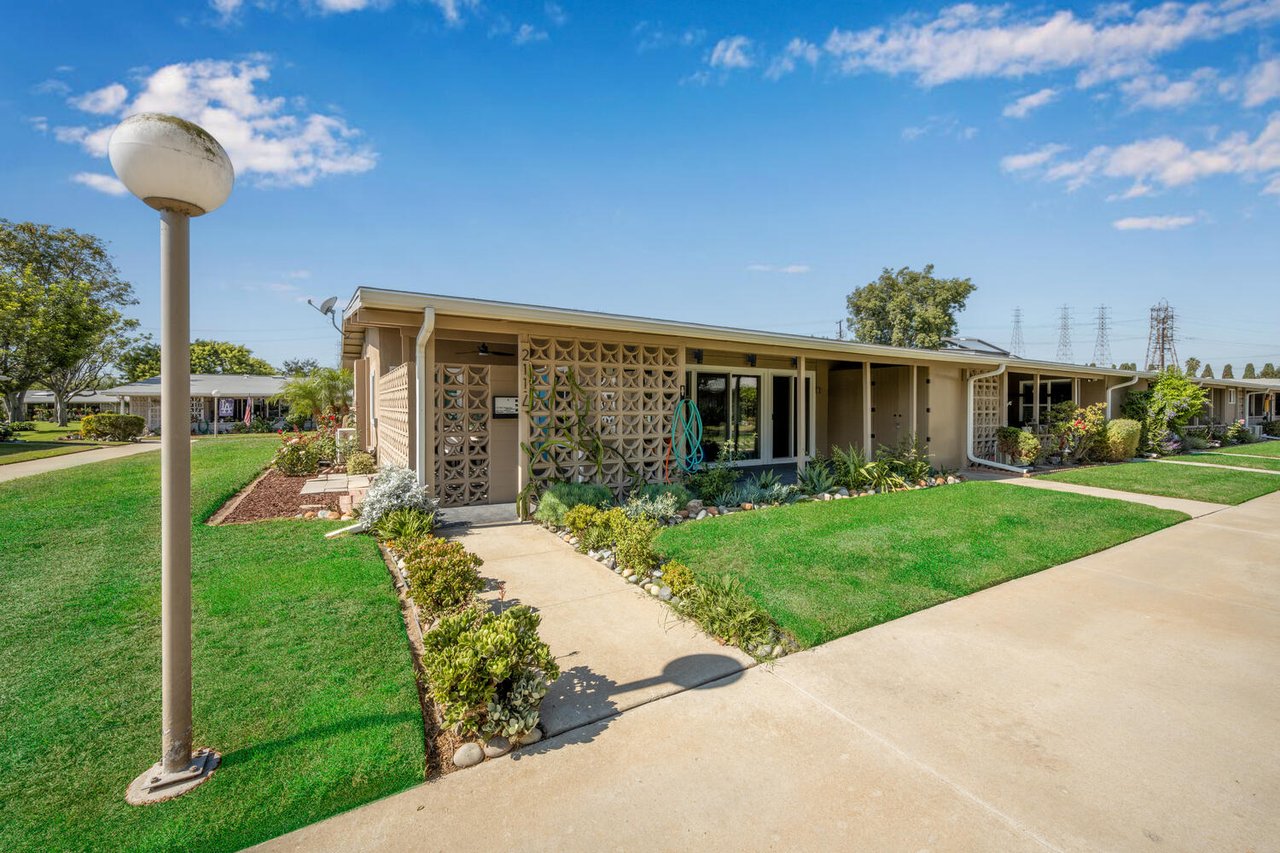
Detailed Explanation of a Stock Cooperative (“Co-op”)
A stock cooperative is a unique form of property ownership in which a corporation owns the entire real estate property — including the land, building(s), and all common areas. Instead of owning a specific unit outright, as you would in a condominium, you become a shareholder in the corporation that owns the property.
How Ownership Works
-
Each resident purchases a share of stock in the cooperative corporation.
-
That share gives the shareholder the exclusive right to occupy a specific unit or apartment, usually through a document called an occupancy agreement.
-
There is one share per unit, so the number of shares equals the number of living units in the building.
Key Characteristics
-
No Deed Ownership
Unlike in a condominium or single-family home, a co-op owner does not hold a deed to real property. Instead, ownership is represented by stock certificates in the cooperative corporation. -
Collective Ownership and Control
Since all residents are shareholders, they collectively control the corporation. This means that major decisions — such as building maintenance, policy rules, and financial management — are typically made through a board of directors elected by the shareholders. -
Financing
There is no financing in Leisure World. However, you can lend on current property or assets owned in order to purchase here. The subject property cannot be leined on though. -
Monthly Fees
Co-op members pay monthly maintenance fees, which cover:-
Building expenses (taxes, insurance, repairs, water, trash
-
Reserve funds for future improvements or emergencies
-
-
Approval of Buyers
Co-ops require board approval for new buyers. The board reviews financials and background information to ensure the applicant can meet their share of the cooperative’s obligations.